Research
Our primary goal is to unravel the cellular and molecular mechanisms by which immune cells, primarily tissue-resident macrophages and circulating leukocytes, contribute to disease progression along the peripheral-brain axis. We are particularly interested in the gut-brain axis, and how the intestinal immune system shapes immune conditions and influences neurodegenerative disorders such as Parkinson’s disease.

Central to our research are muscularis externa macrophages, specialized yet diverse subsets of intestinal macrophages that are fundamental for proper functioning of the enteric nervous system (ENS), often referred to as the ‘little brain of the gut’ directly connected to the brain. Their function goes beyond modulating intestinal homeostasis:
in the early stages of Parkinson’s disease, where alpha-synuclein aggregation—the pathological hallmark—can originate in the gut and is believed to propagate to the brain. By studying these cells in the context of neurodegenerative disorders, we aim to uncover novel immune-based biomarkers and therapeutic strategies to better predict and potentially influence neurological diseases.
Using novel transgenic mouse models, high-dimensional immunophenotyping, spatial transcriptomics, and proximity-labeling techniques, we aim to unravel how immune cell trafficking between the gut and brain, local microenvironmental cues, and systemic inflammatory signals drive the spread of neuropathology. A key focus of our research is understanding how the interplay between macrophages and other immune cells, such as T cells, is able to modulate neuropathology along the gut-brain axis.
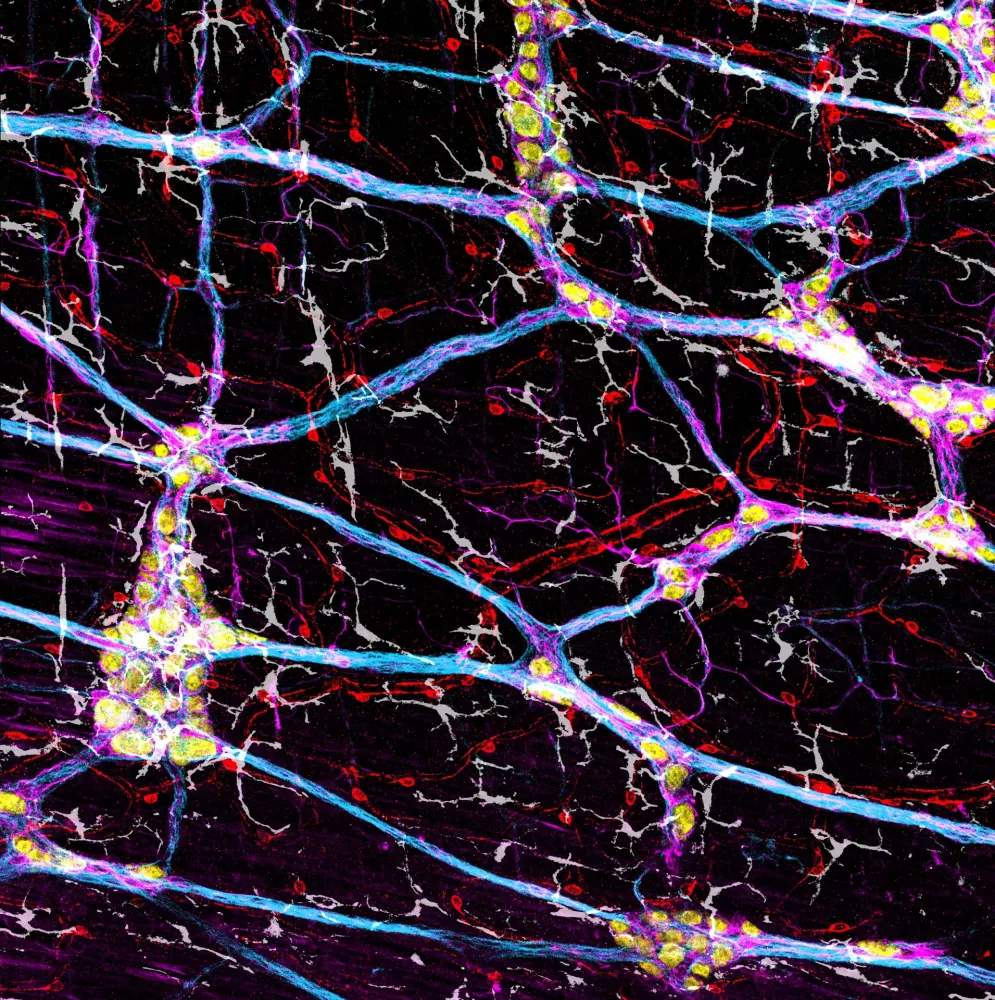
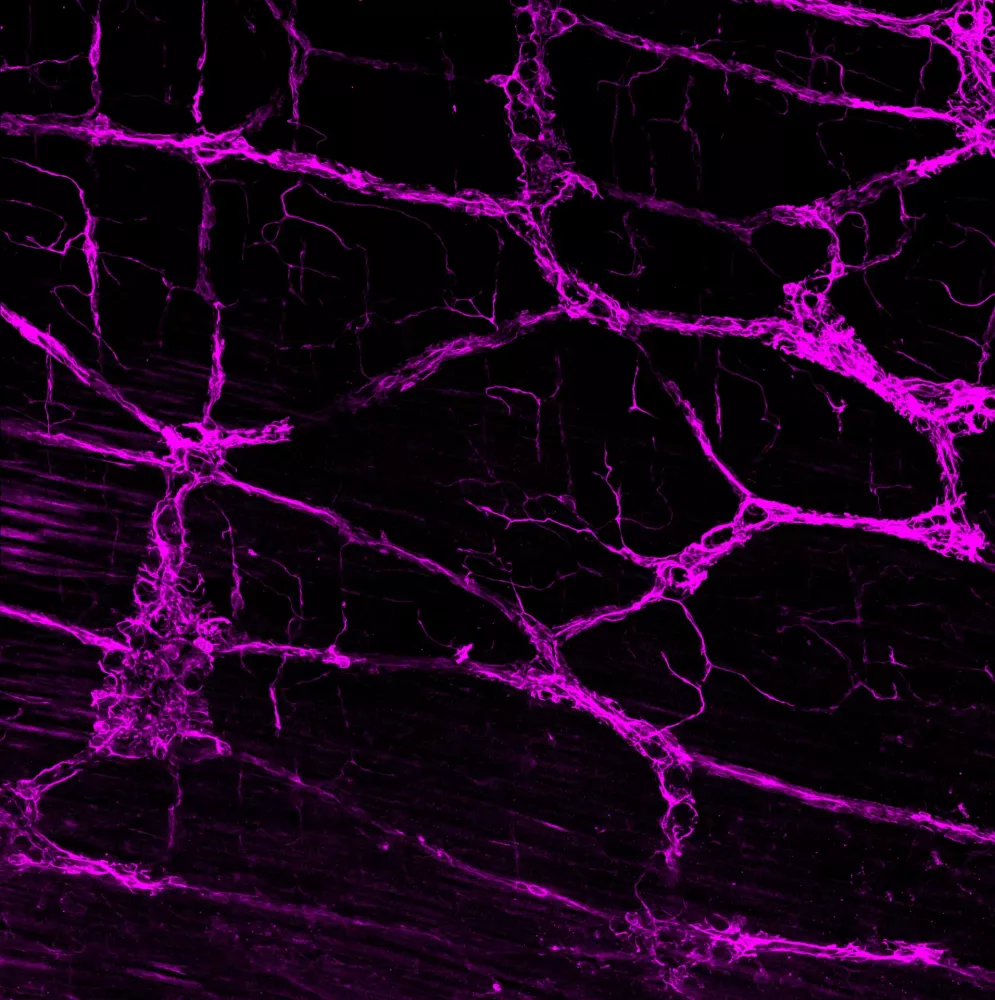
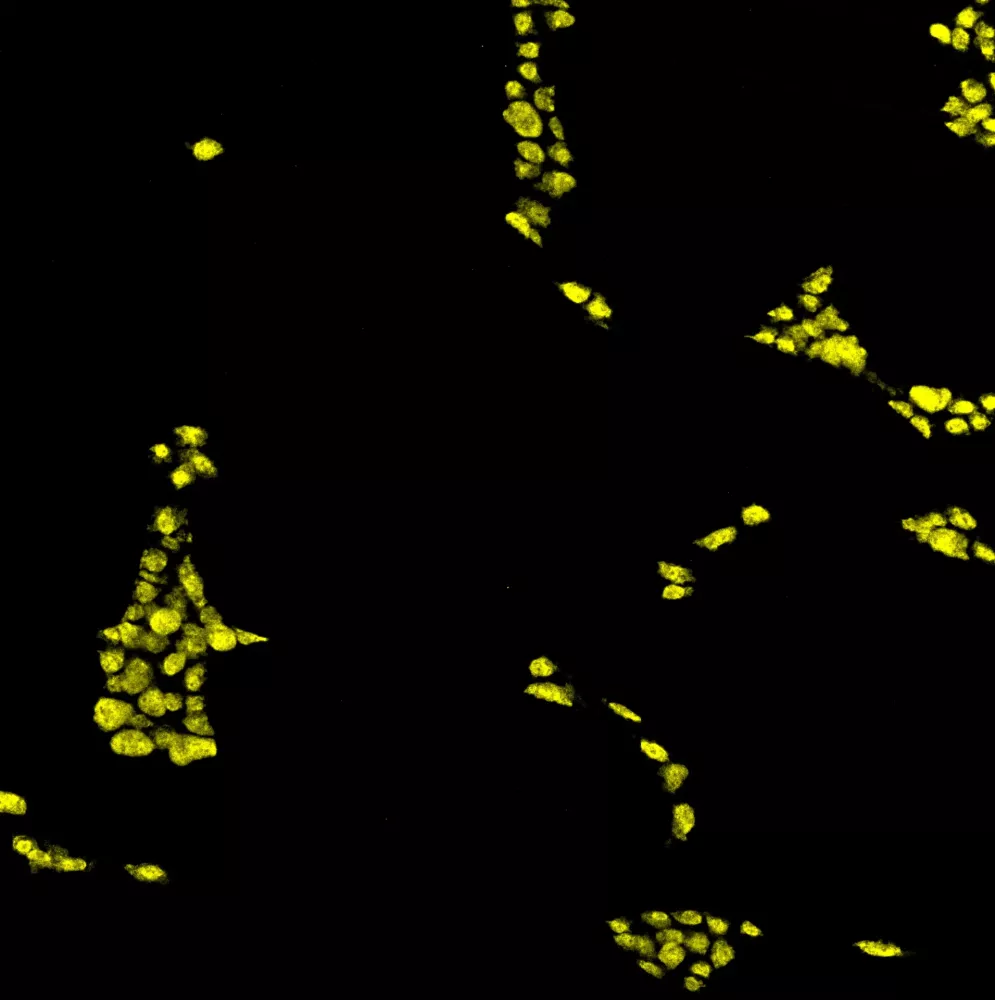
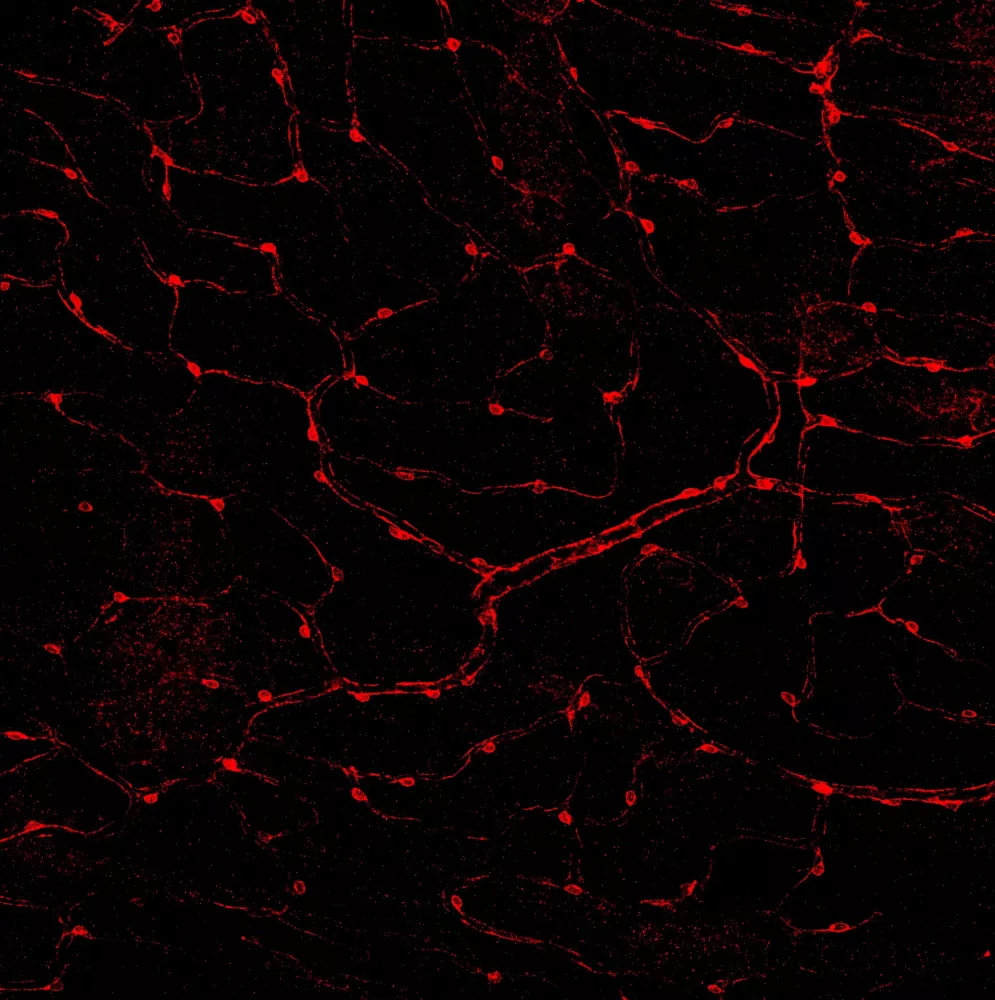
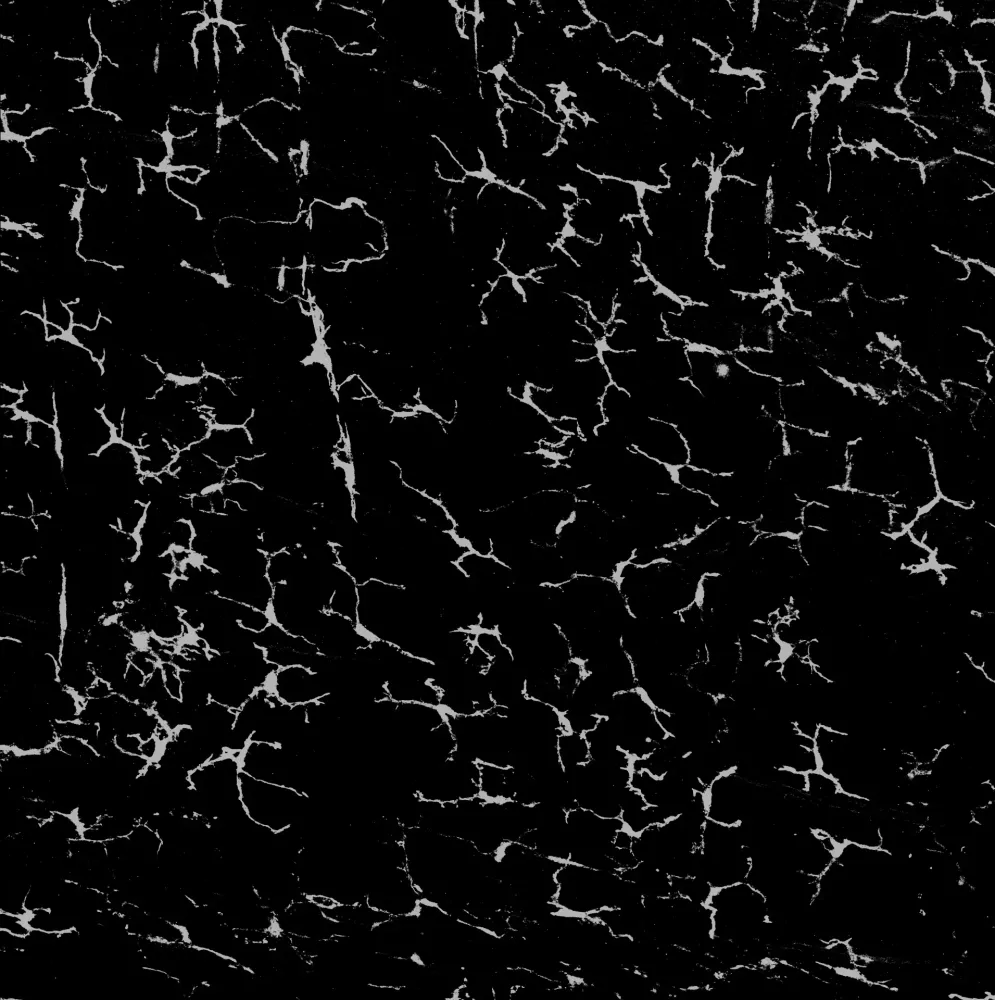
Macrophages (white) in their complex, yet understudied microenvironment: neurons (yellow), glial cells (purple), mural cells (red)